France's Great River of Castles & Living Heritage
Winding 1,006 kilometers from the volcanic summits of Mont Gerbier de Jonc to the Atlantic estuary at Saint-Nazaire, the Loire forms the poetic and architectural spine of France.
Winding 1,006 kilometers from the volcanic summits of Mont Gerbier de Jonc to the Atlantic estuary at Saint-Nazaire, the Loire forms the poetic and architectural spine of France.
Selected monographs covering hydrography, architectural magnificence, geological terroir, culinary civilization, and ripicolous biodiversity.
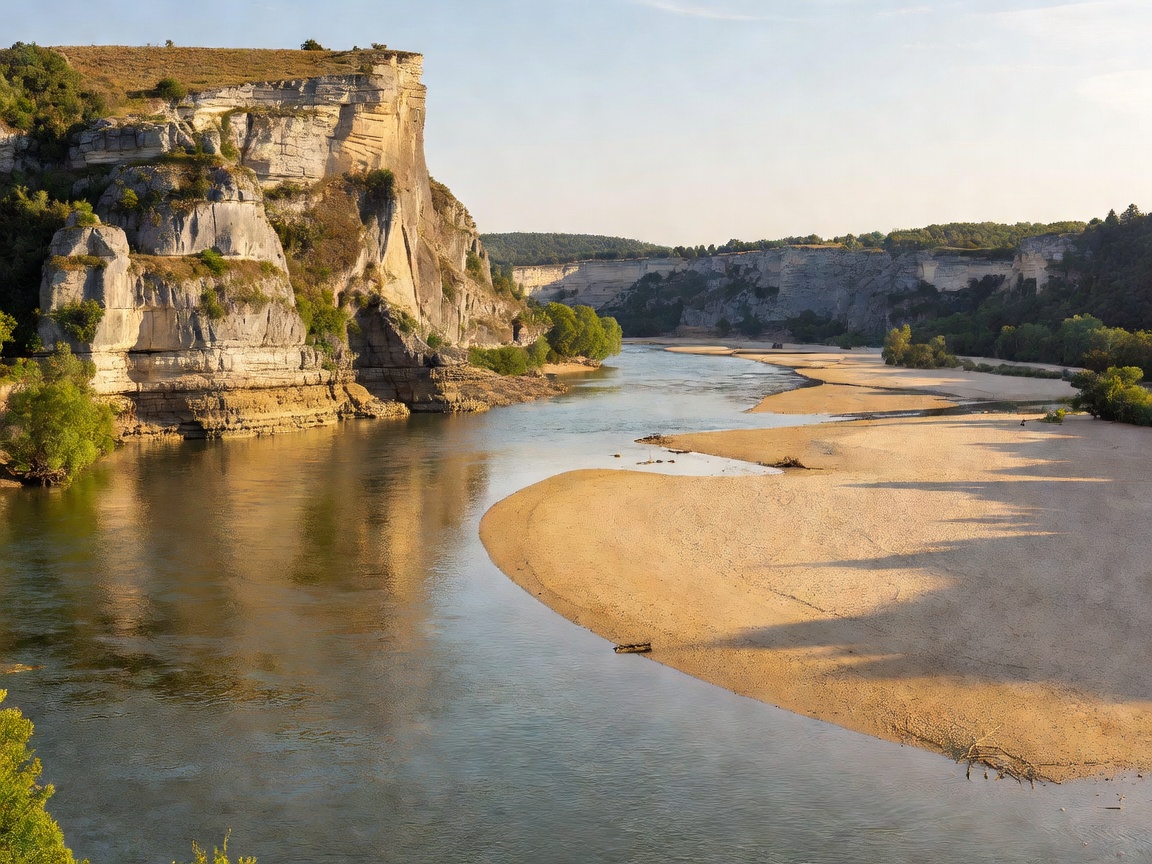
Follow the 1,006 km course through the Massif Central, the great bend at Orléans, and major tributaries including the Allier, Cher, and Vienne down to Saint-Nazaire.
Read River Overview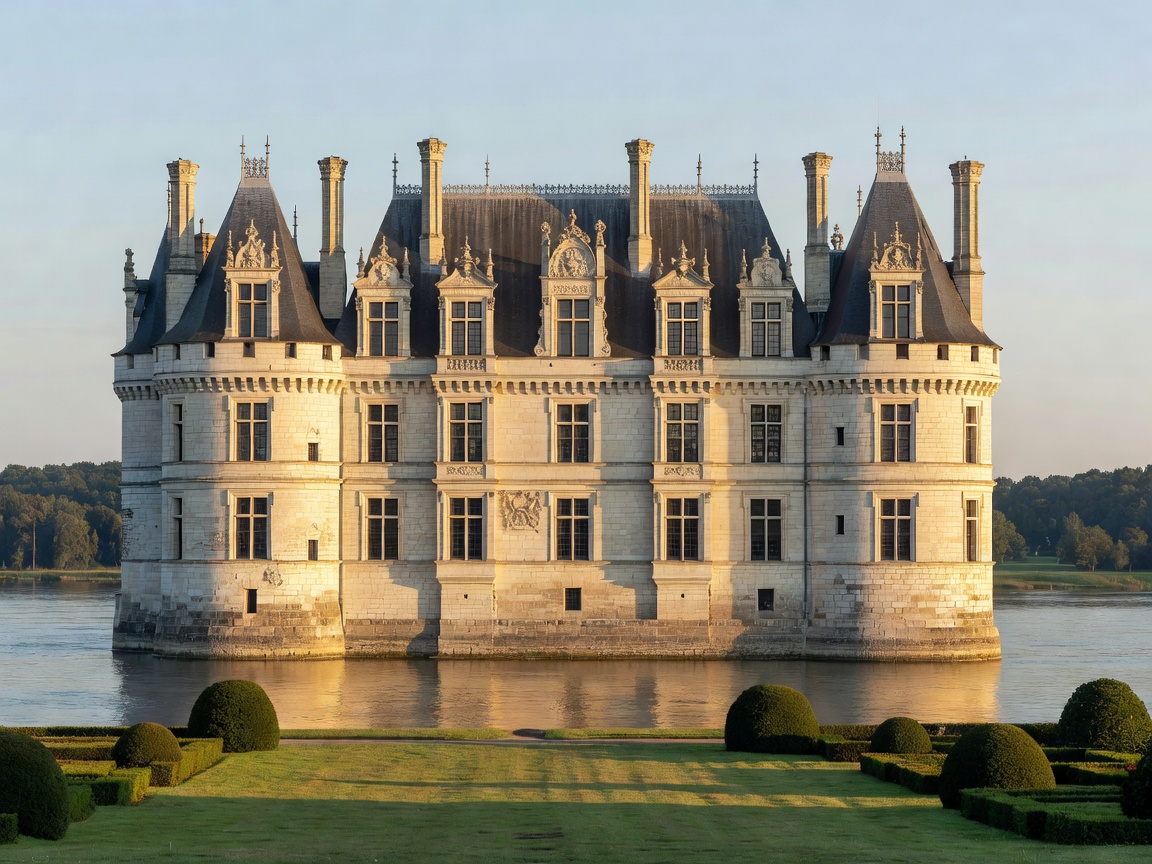
An analytical survey of Francis I’s hunting lodge, the arches of the Cher at Chenonceau, the geometric gardens of Villandry, and the royal strongholds of Amboise and Blois.
Examine The Castles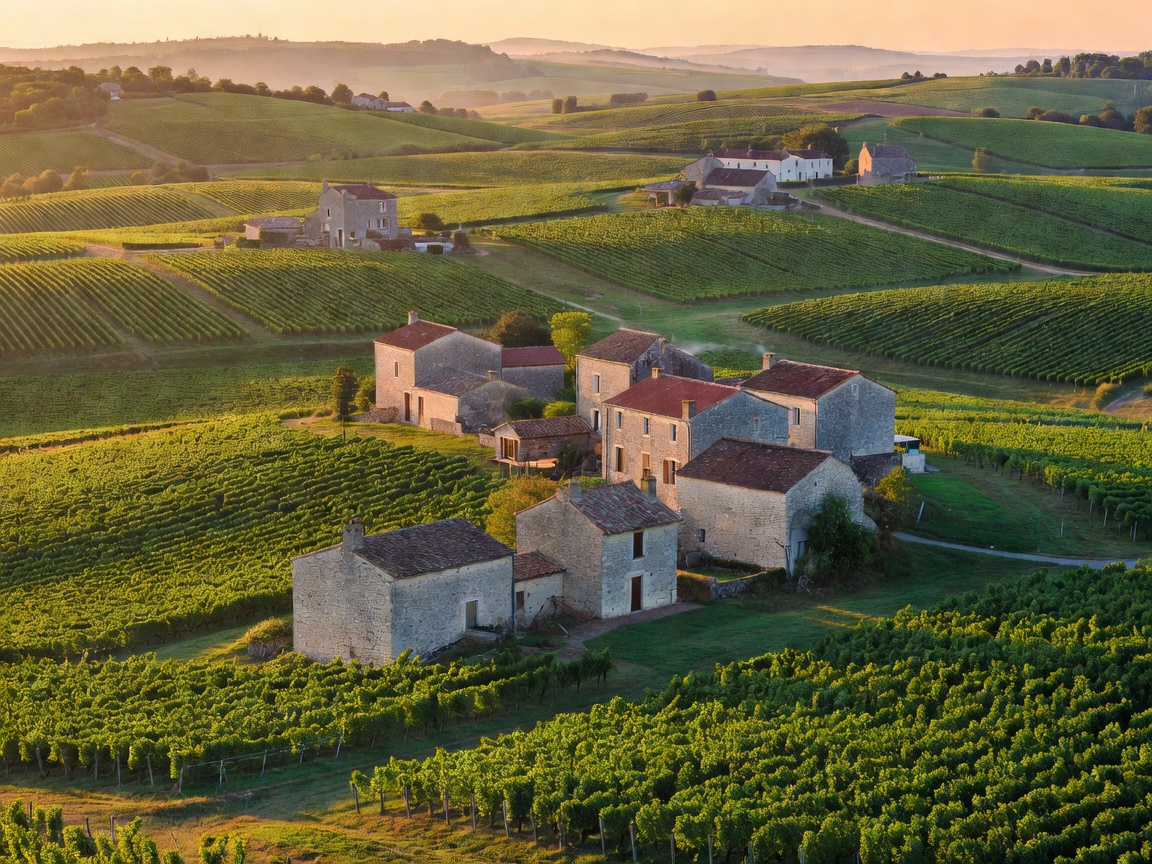
Discover the distinctive tufa limestone geology that yielded both building material for monarchs and the mineral-rich soils of Sancerre, Chinon, and Vouvray.
Explore The Terroir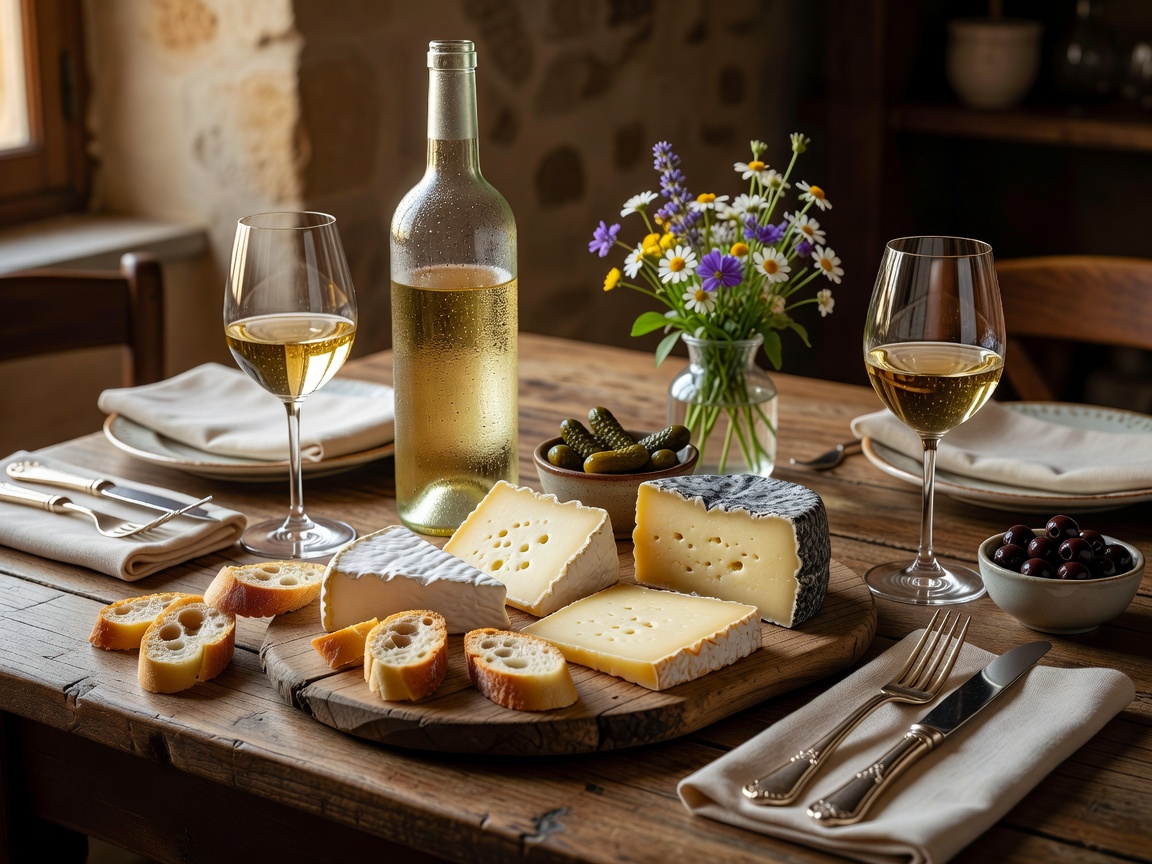
Trace the Renaissance court life of Valois kings, the Italian architectural influence, and the gastronomic traditions from rillettes to freshwater pike in beurre blanc.
Read Cultural History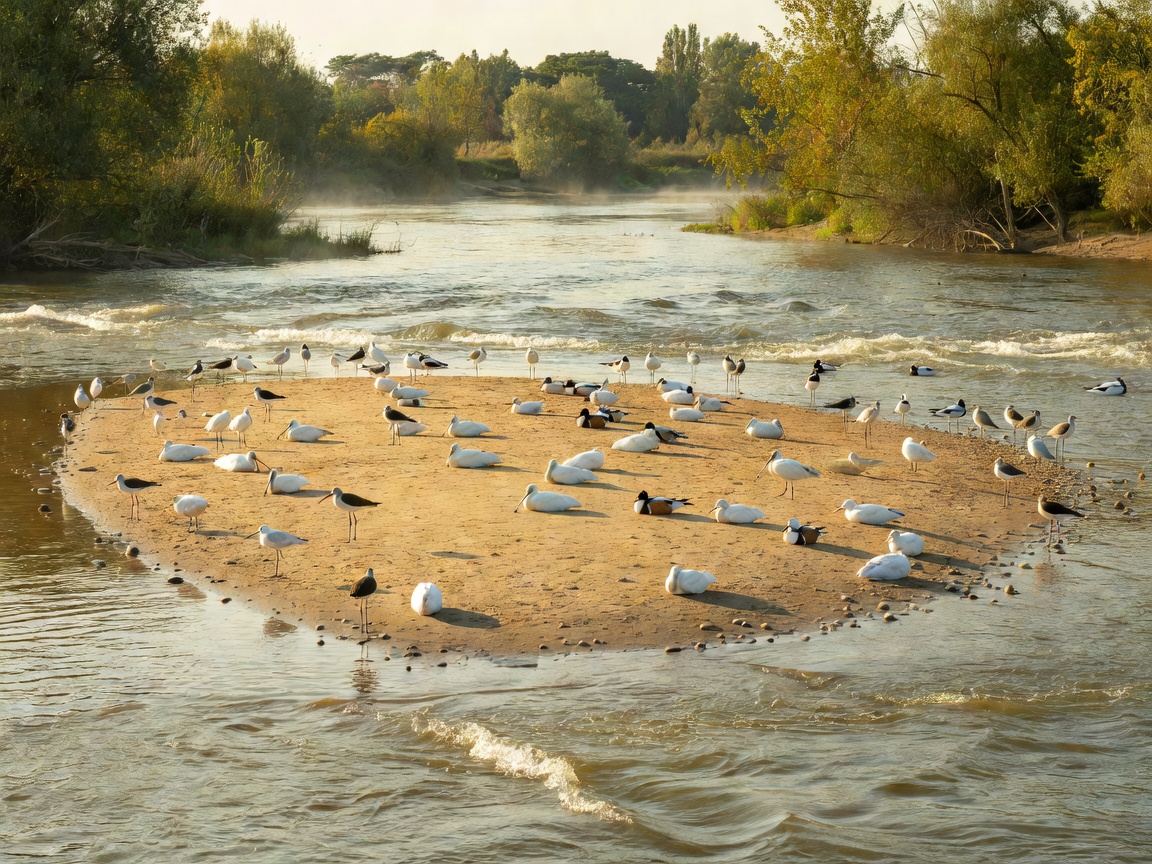
Observe the migratory routes of Atlantic salmon, European beavers returning to braided channels, and hundreds of terns nesting upon dynamic gravel banks.
Inspect The EcosystemDuring the Hundred Years' War, when English forces occupied northern territories and Paris, the Loire Valley served as the defensive heartland of the French crown. Fortresses like Chinon and Loches sheltered the court of Charles VII before turning into peaceful pleasure estates.
Returning from the Italian campaigns of the late 15th century, King Charles VIII and Louis XII brought architects, garden designers, and sculptors to Touraine. Leonardo da Vinci spent his final years at Clos Lucé in Amboise, leaving an indelible imprint on engineering along the river.
The defining visual cohesion of the Loire Valley stems from *craie tuffeau*—a white, porous Cretaceous chalk limestone easily extracted from valley cliffs. The resulting subterranean quarries formed vast troglodyte dwellings and climate-stable cellars for sparkling Vouvray and Saumur wines.